



Calorie Calculator 2026: Calculate Precisely & Apply Directly to Meal Prep
Kalorienbedarfsrechner: Deine Basis für die Planung (inkl. Stress- & Prep-Faktor). Du willst abnehmen, Muskeln aufbauen oder dein Gewicht halten? Die Basis für jedes körperliche Ziel ist eine einfache Zahl: dein täglicher Kalorienbedarf. Doch ein Standard-Rechner reicht oft nicht aus, wenn dein Alltag aus Stress, Sport und Vorkochen besteht.
6 min. reading time
In this guide, we don't just calculate your theoretical values—we also show you how to translate those numbers into real meals.
Summary
Bulky wallets are a thing of the past. With Wall3t, you get a sleek, compact card holder that slips easily into your pocket without the bulk, keeping your everyday carry clean and comfortable.
Bulky wallets are a thing of the past. With Wall3t, you get a sleek, compact card holder that slips easily into your pocket without the bulk, keeping your everyday carry clean and comfortable.
Bulky wallets are a thing of the past. With Wall3t, you get a sleek, compact card holder that slips easily into your pocket without the bulk, keeping your everyday carry clean and comfortable.
Bulky wallets are a thing of the past. With Wall3t, you get a sleek, compact card holder that slips easily into your pocket without the bulk, keeping your everyday carry clean and comfortable.
Bulky wallets are a thing of the past. With Wall3t, you get a sleek, compact card holder that slips easily into your pocket without the bulk, keeping your everyday carry clean and comfortable.
Why Standard Calculators Often Fail
Most calculators use the Mifflin-St. Jeor formula or the Harris-Benedict formula. This is a solid foundation, but it ignores two crucial factors:
Adaptive thermogenesis: Your body adjusts its energy expenditure,
if you've been in the red for a while
Bio-Individuelle Belastung: Stress und Schlafmangel können deinen realen Bedarf beeinflussen
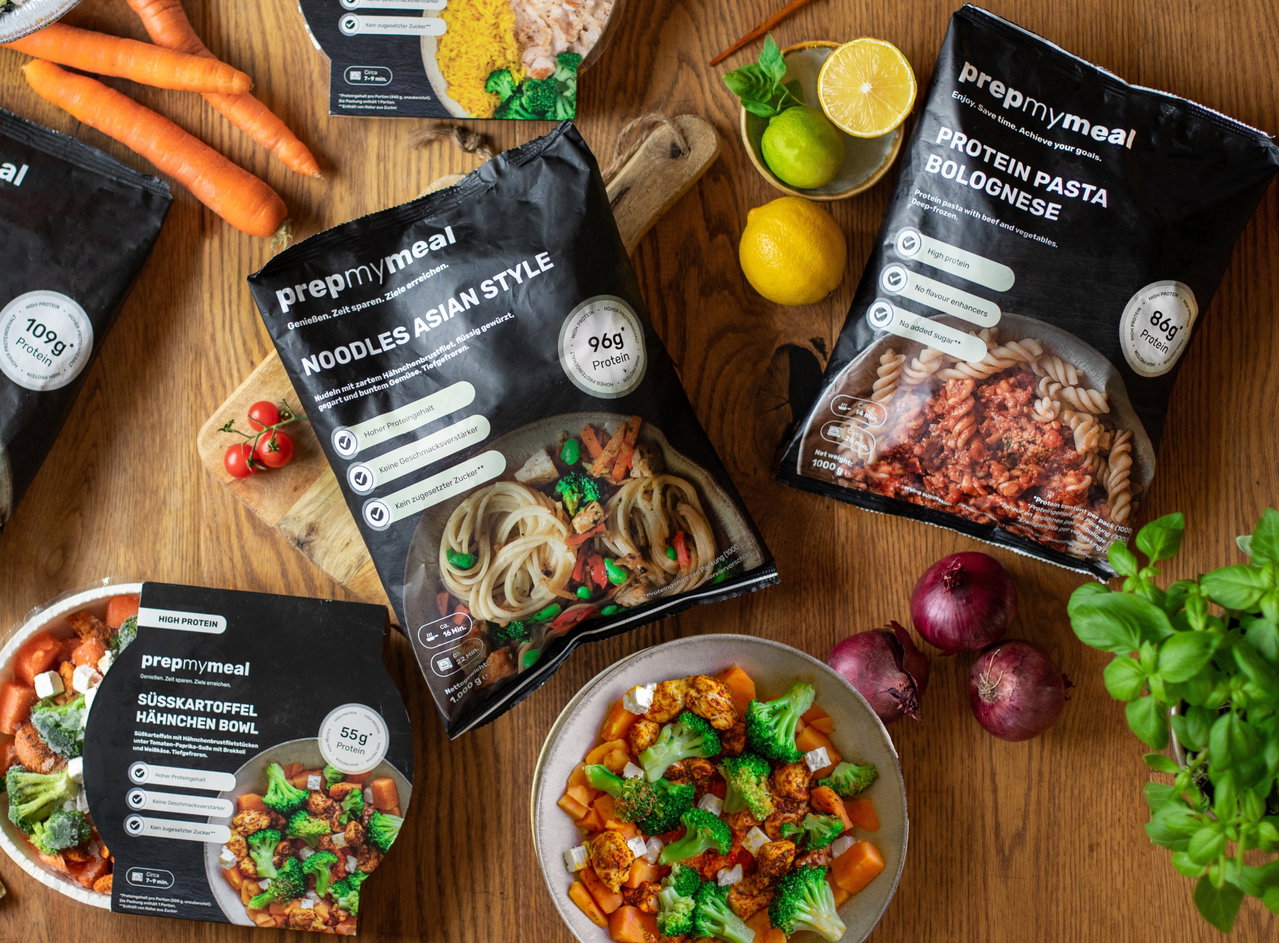
Jetzt passende Gerichte von prepmymeal entdecken!
ORDER NOW
The Math Behind Your Body
Your total revenue consists of three components:
Basal Metabolic Rate (BMR): The amount of energy your body needs to keep your organs functioning and to breathe while at complete rest
Energy Expenditure (PAL): The energy needed for movement, work, and sports
Thermic Effect of Food (TEF): The energy you expend solely on digestion. Protein has the highest value here (up to 30%)
The formula for men:
BMR = 66.47 + (13.7 × weight in kg) + (5.0 × height in cm) – (6.8 × age in years)
The formula for women:
BMR = 655.1 + (9.6 × weight in kg) + (1.8 × height in cm) – (4.7 × age in years)
From Number to Plate: The Prep-to-Number Strategy
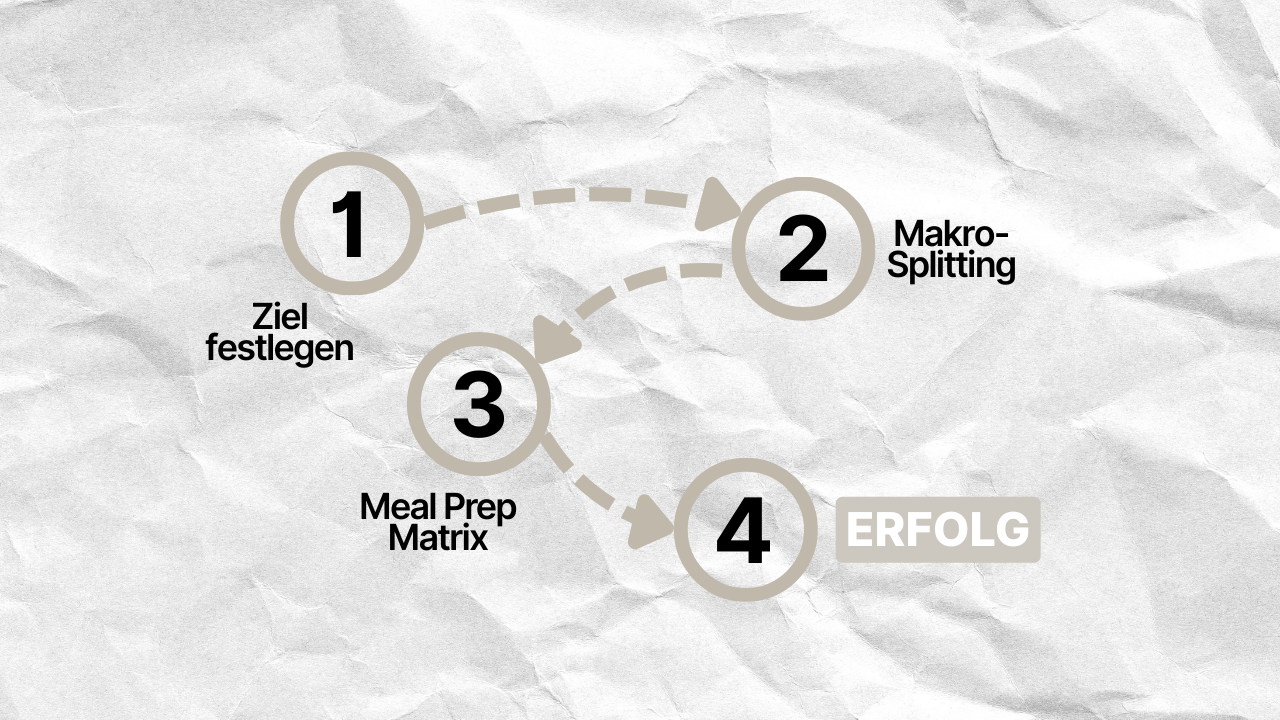
Hier liegt der Unterschied zu herkömmlichen Rechnern. Eine Zahl wie „2.400 kcal“ hilft dir nicht im Supermarkt. So übersetzt du deinen Bedarf in die Praxis:
Step-by-Step: Your Weekly Schedule
Set a goal: Weight loss (-300 to -500 kcal), muscle gain (+200 to +300 kcal).
Macro splitting:
Protein: 1.8–2.2 g per kg of body weight (to maintain muscle mass).
Fett: 0,8g - 1,0g pro kg Körpergewicht (wichtig für Körperfunktionen).
Carbohydrates: The Rest (Energy for Training)
The Meal Prep Matrix:
Divide your daily calorie intake by the number of meals you eat.
Example for 2,000 calories and 4 meals:
500 calories per box.
Exclusive: The Stress & Sleep Check
Before you start your calorie deficit, assess your situation. A calorie calculator is a mathematical model, not a biological law.
Schlafmangel (< 6h): Erhöht den Kalorienbedarf theoretisch leicht, senkt aber häufig die Disziplin im Alltag
Hoher Stress: Kann Wassereinlagerungen fördern, die sich auf der Waage bemerkbar machen.
Tipp: Wenn du eine stressige Woche hast, wechsle von einem "harten Defizit" auf "Erhaltungskalorien", um eine zu starke Anpassung deines Verbrauchs zu vermeiden.
Fazit: Dein Fahrplan für die Umsetzung
Ein Kalorienbedarfsrechner ist dein Kompass, aber dein Meal Prep ist das Fahrzeug. Nutze die berechneten Werte als Startpunkt und passe sie alle 4 Wochen basierend auf deinen Fortschritten an. Du hast keine Zeit zum Rechnen und Kochen? Dann lass prepmymeal das Ganze übernehmen. Unsere Gerichte sind klar portioniert, so kommst du deinen Zielen näher, ohne eine einzige Formel tippen zu müssen.

Passende prepmymeal Gerichte entdecken!
ORDER NOW
Questions and answers.
Most calculators have a margin of error of about 10–15%. They serve as an excellent starting point, but need to be adjusted individually based on observation (using a scale and a mirror).
Possible reasons include high stress levels, hidden calories (oils, sauces), or "adaptive thermogenesis," a process in which your body slows down its calorie burn
PAL stands for "Physical Activity Level." It is a multiplier (usually between 1.2 and 2.4) that takes your daily activity into account
Exercise increases your energy expenditure, but you burn most of your energy through your basal metabolic rate and non-exercise activity thermogenesis (NEAT)
Follow us on social media


